Kim Y, Bark S, Hook V, Bandeira N (2011) NeuroPedia: neuropeptide database and spectral library
How to research peptides like Joe Rogan For those inspired by Rogan's peptide discussions to explore further, a systematic approach improves outcomes and safety

What this microinfusion molecule guide covers This guide is for you if Ideal Reader You already own or are considering an at-home microinfusion device and want to understand what's actually being delivered into your skin You've seen the PDRN, EGF, and GHK-Cu labels on serums and want clinical context, not influencer language You're choosing between in-clinic AquaGold and at-home alternatives and want the molecular case for each You want sourced answers, not "this peptide is amazing" deflections You can skip this if You want a buyer's framework for which microinfusion device to purchase (read our companion at-home microinfusion device guide instead) You're looking for derma roller or motorized microneedling pen guidance (different mechanism, different content) You want a one-paragraph yes-or-no recommendation without molecular context You're pregnant or breastfeeding (microinfusion is generally deferred until postpartum

Analysis of data from the US National Health and Nutrition Examination Survey (NHANES) 2003-2006 found that 15.8% of children and adolescents (ages 2-18 years) and 8.5% of adults (19 years) had total usual niacin intakes exceeding the UL (130)
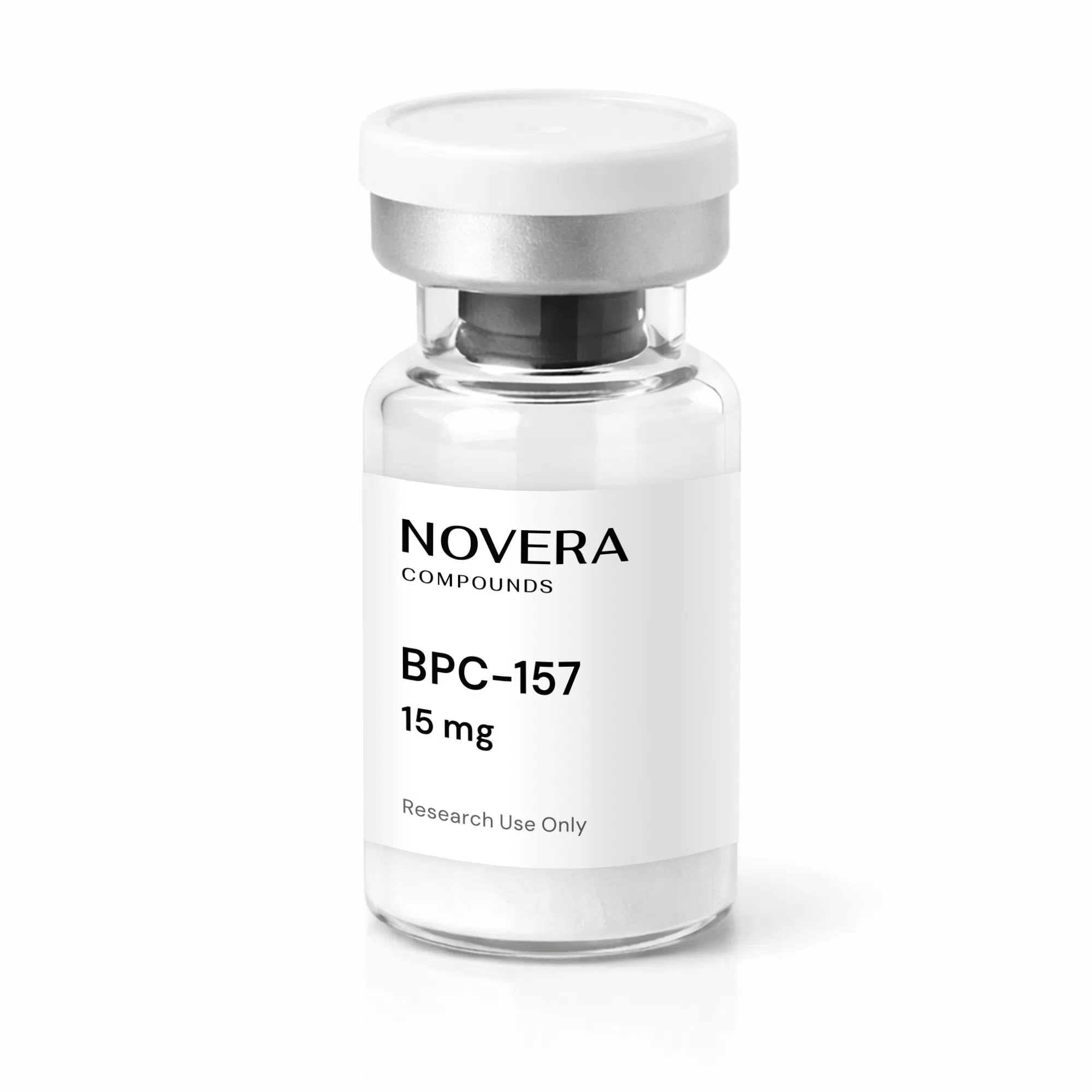
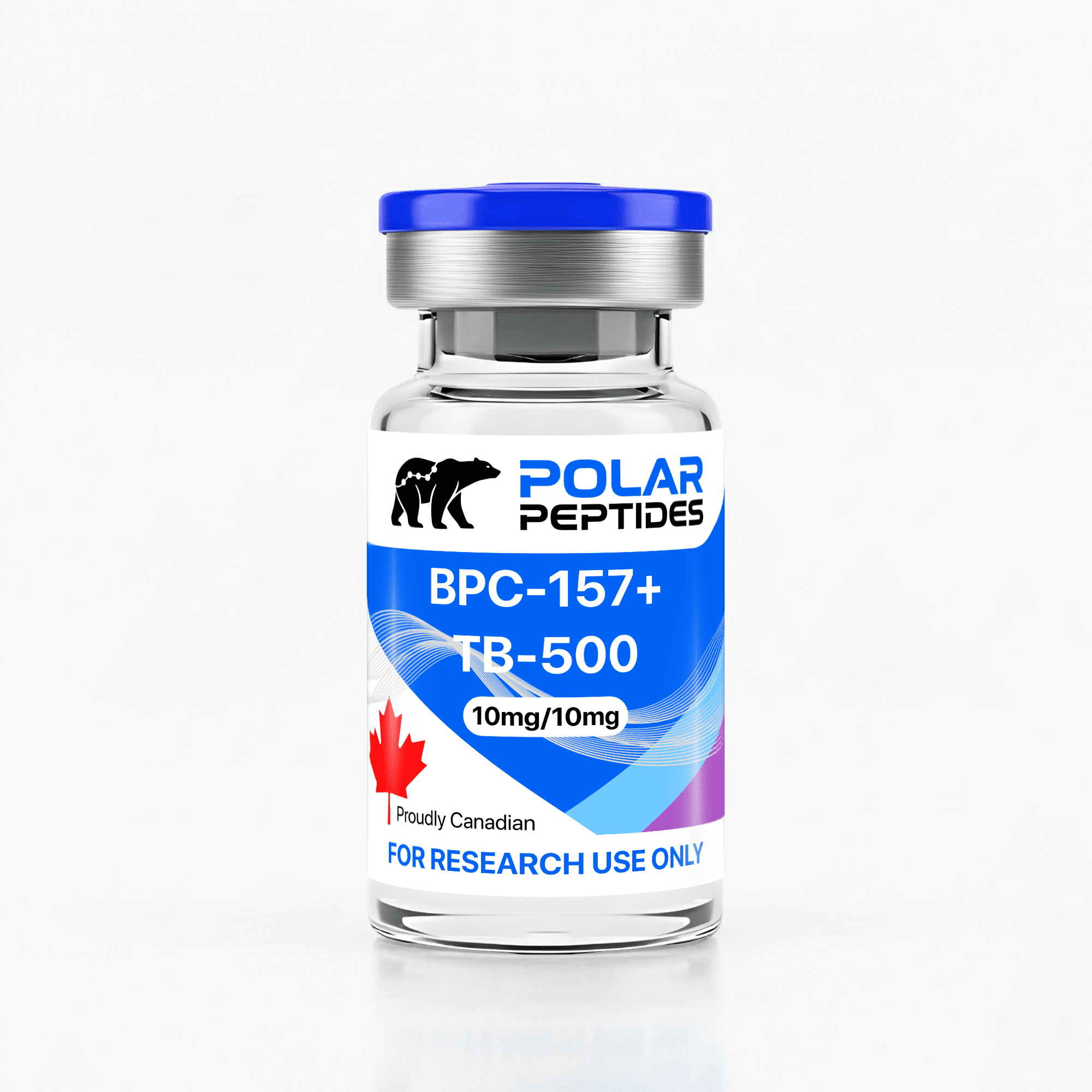
Research & Studies Published research Selected peer-reviewed literature characterizing BPC-157