2 Redox biology and endocrine dysregulation in PCOS 2.1 OS pathways in PCOS: sources of ROS and antioxidant defense impairment Emerging evidence identifies PCOS as a disorder of redox dyshomeostasis, contributing to its complex reproductive, endocrine, and metabolic manifestations ( Among endogenous sources, mitochondrial electron transport chain (ETC) inefficiency stands out as a dominant ROS generator in PCOS ( Androgen excess emerges not only as a hormonal hallmark of PCOS but also as a direct ROS instigator ( While ROS sources increase, antioxidant defenses in PCOS are often found depleted ( 2.2 Mitochondrial dysfunction, lipid peroxidation, and redox imbalance in oocytes and granulosa cells The competence of oocytes and their surrounding granulosa cells is fundamentally governed by mitochondrial health, balanced redox homeostasis, and membrane integrity (56, 57)
Sato H, Nomura S, Maebara K, Sato K, Tamba M, Bannai S
,
The isolation of multifunctional phosphate-solubilizing bacteria is important for promoting plant growth and development by modulating auxin biosynthesis, nutrient uptake, and root architecture 30,31
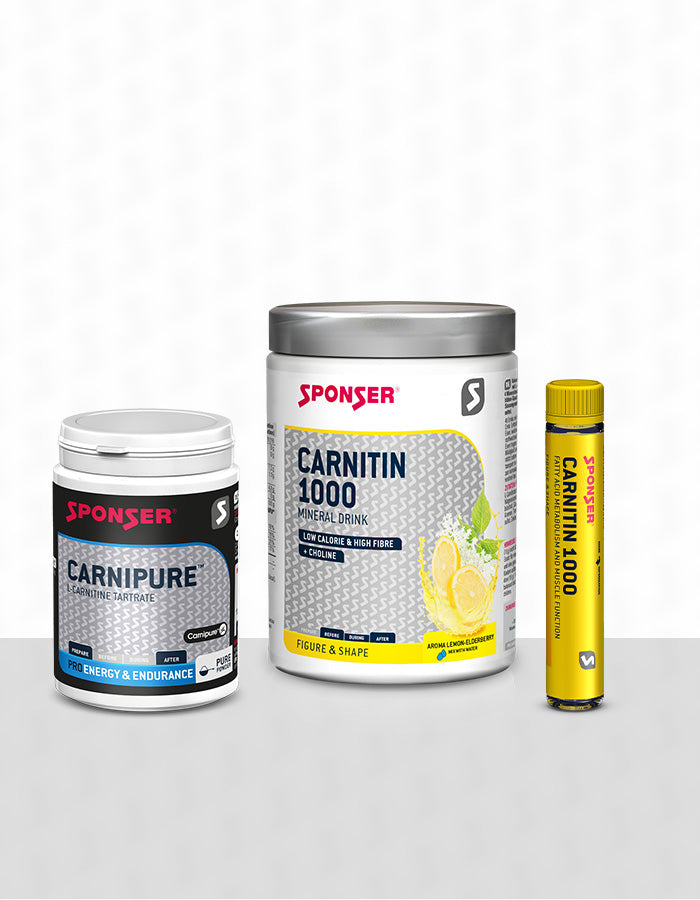
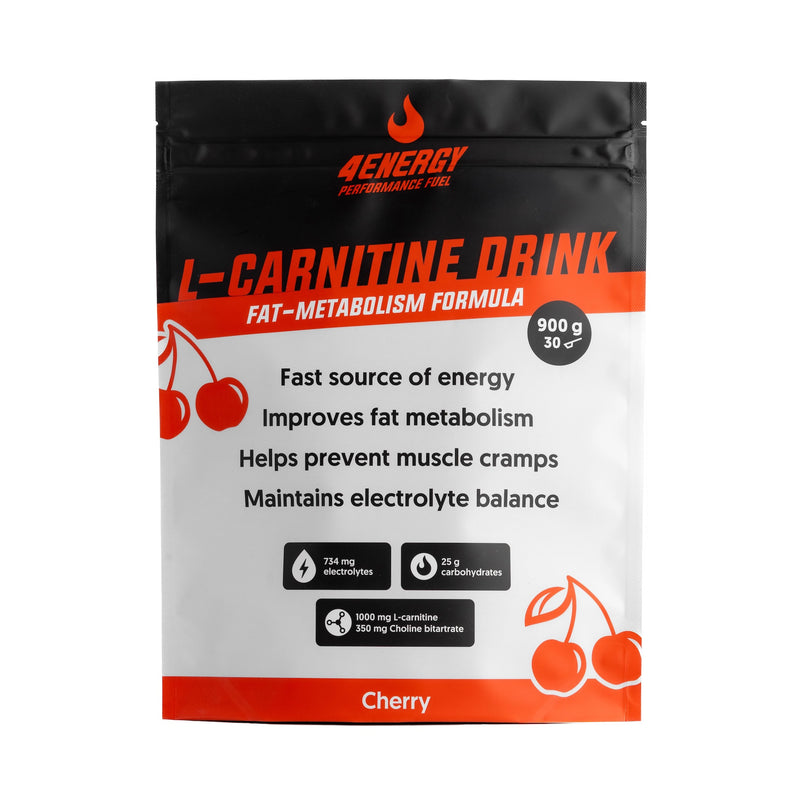
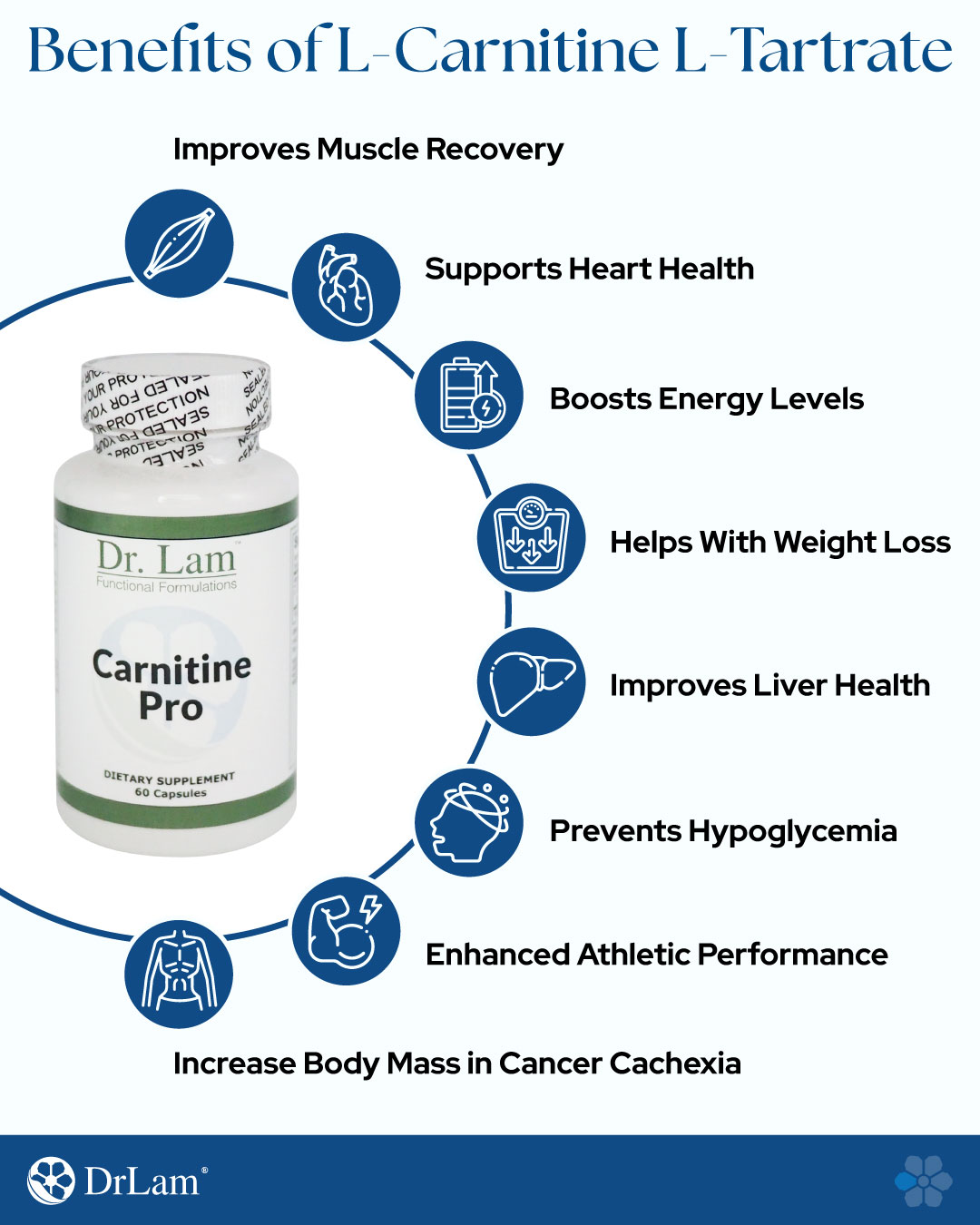
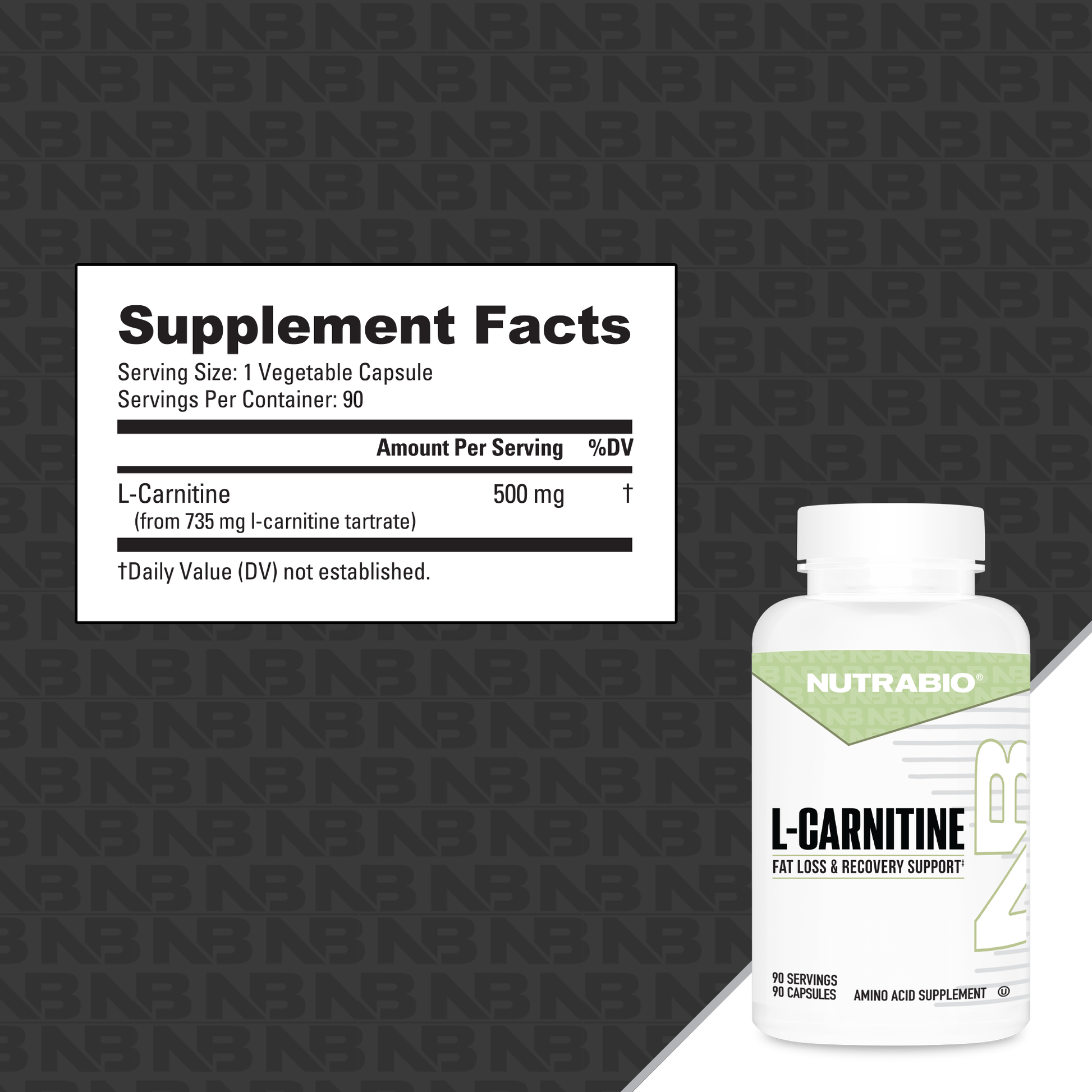
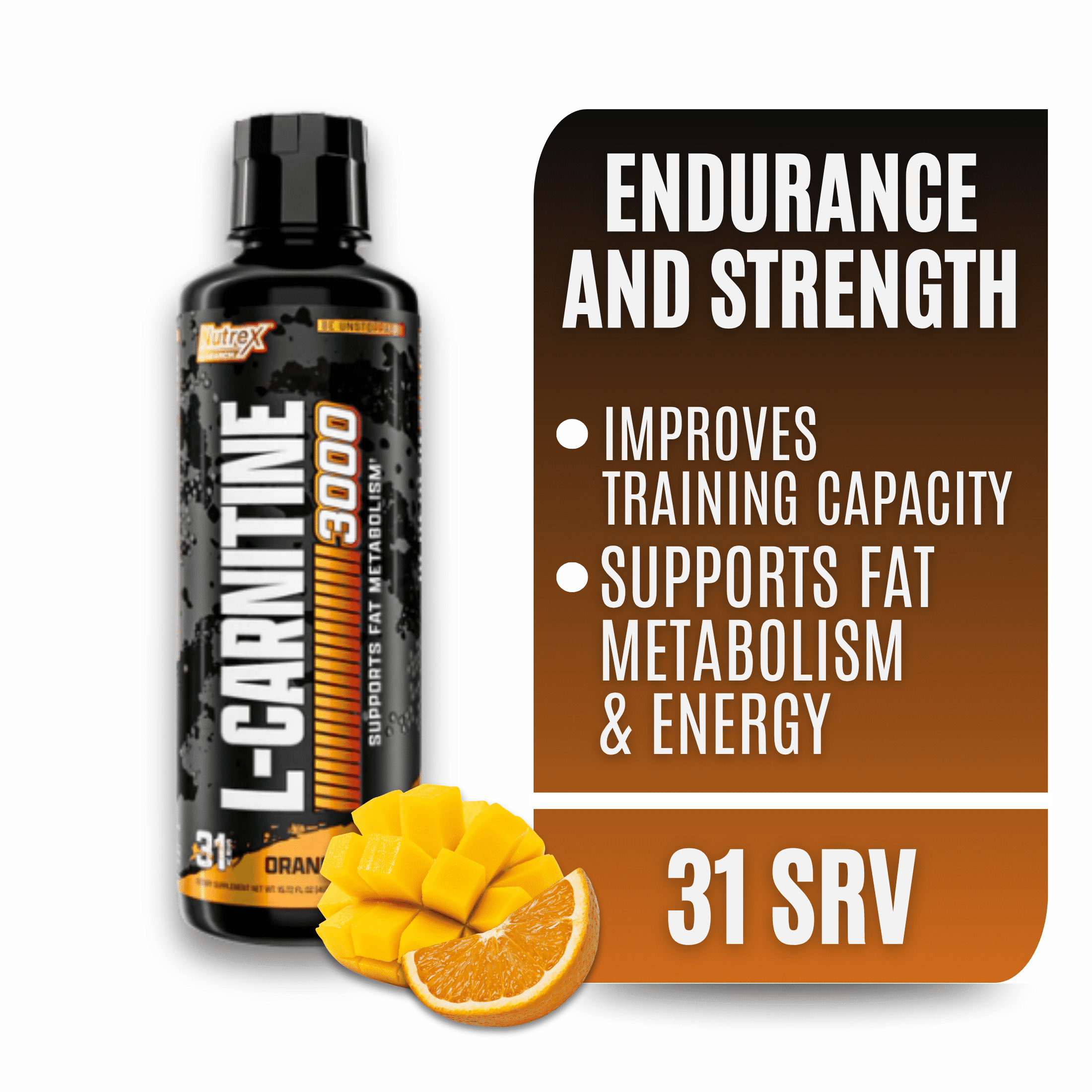
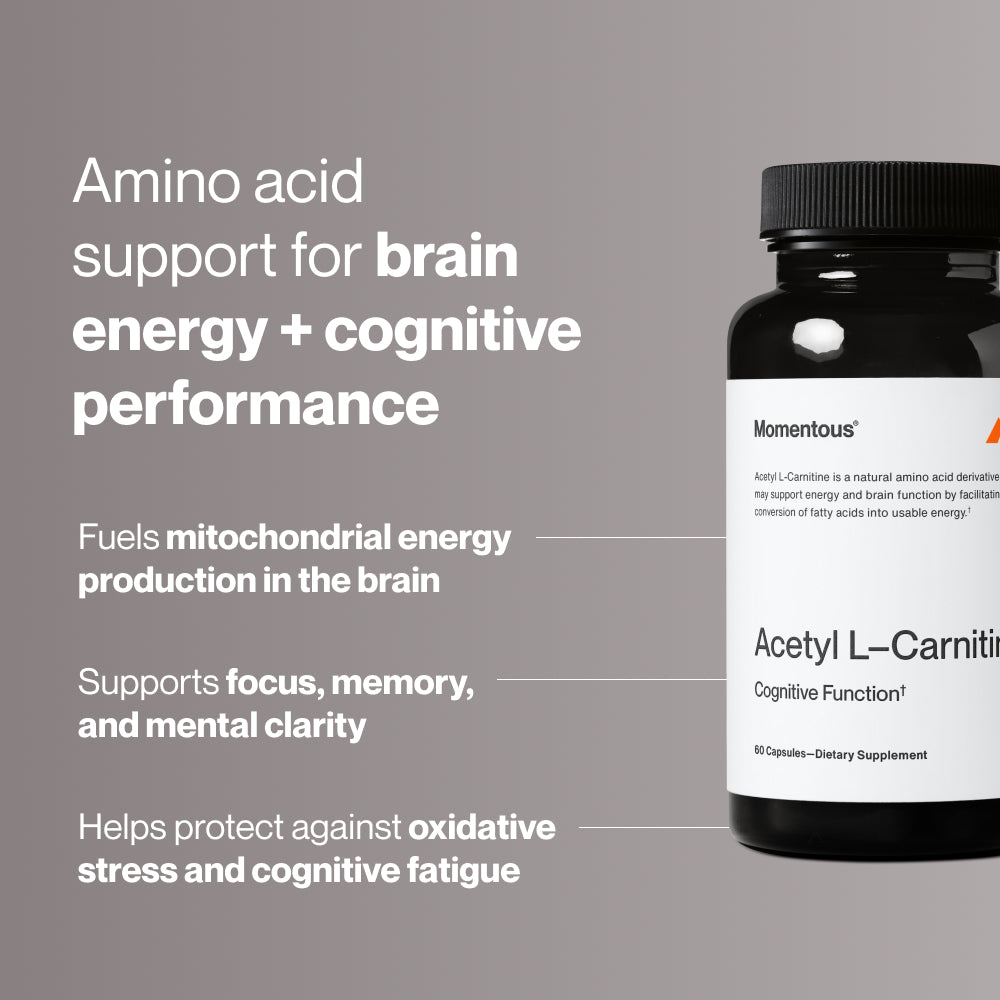
If the goal of taking supplemental L-carnitine is enhanced athletic performance and recovery, consider taking it 30 to 60 minutes before exercise along with fast-acting carbohydrates. Different types of L-carnitine may offer different benefits, with acetyl-L-carnitine often taken for its mental health benefits and improved effects on body fat metabolism