This causes poor intestinal absorption of dietary carnitine, increased urinary loss of carnitine due to poor reabsorption, and defective carnitine uptake by muscles.3 Secondary carnitine deficiencies are typically caused by inherited genetic defects in the metabolism of amino acids, cholesterol, and fatty acids and are also found in patients with end-stage renal disease undergoing hemodialysis, which impairs the reabsorption of carnitine.1 Looking at dietary sources, 3 oz of beef steak provides 42 to 122 mg of L-carnitine, 3 oz of cooked ground beef provides 64 to 74 mg, 1 cup of whole milk provides 8 mg, and 3 oz of cooked chicken breast provides 2 to 4 mg.1 Many energy drinks also contain L-carnitine, according to a 2022 study, but the amounts were not available.4 The bioavailability of dietary carnitine can vary depending on the amount in a meal and whether someone typically eats a plant-based diet or a diet thats higher in meat

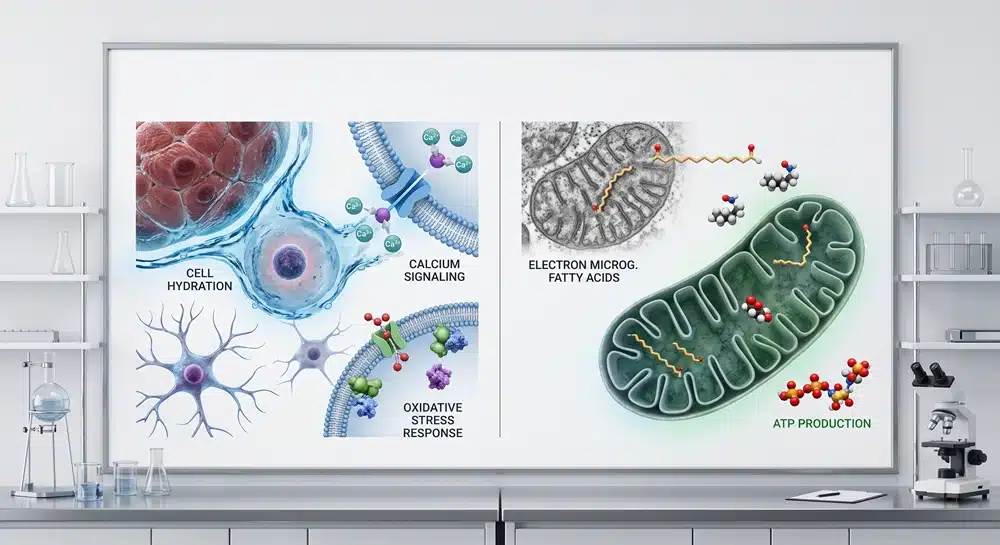
Both lipid droplet formation and TCA maintenance are drastically enhanced in CD37-deficient lymphoma and premalignant B cells, which may be of particular benefit within the germinal centre environment
Mitochondrial and peroxisomal [1- 14 C] palmitate oxidation in liver and muscle After the feeding trial, the whole liver and parts of muscle of 3 fish collected from each group were weighted and homogenized in the ice-cold 0.25M-sucrose medium containing 2 mM-EGTA and 10 mM-Tris-Cl, pH 7.4,(1:40 and 1:10, w/v) by using a drill-driven Teflon glass homogenizer with 34 strokes
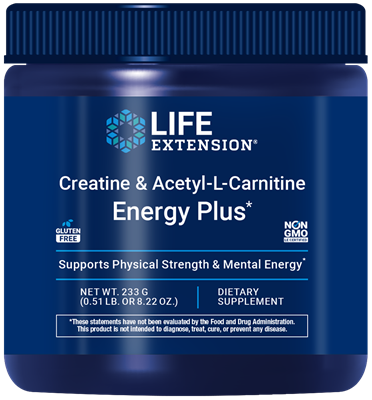
L-Carnitine Carnipure from Bioprophyl: 500 mg Lonza L-Carnitine L-Carnitine (from Latin carnis = meat) is a vitamin-like substance that is both obtained through diet and synthesized by the body itself
Ellaway CM, Williams K, Leonard H, et al