This is important because 5% body weight loss is the threshold at which clinically meaningful health improvements typically begin, including reduced blood pressure, improved cholesterol profiles, and better glycemic control
A report from the Framingham Offspring Study of 2,999 adults found the following average daily B12 intakes, including fortified foods and supplements (Tucker, 2000): Age 26-49: 8.9 g Age 50-64: 8.7 g Age 65-83: 8.5 g A 2015-2016 National Health and Nutrition Examination Survey of over 4,500 adults 60 years and older found the following average daily B12 intakes (USDA NHANES, 2019): Male non-supplement users (68% of men): 4.5 g Male supplement users: 5.3 g from food plus 326 g from supplements Female non-supplement users (63% of women): 3.6 g Female supplement users: 3.8 g from food plus 520 g from supplements European Food Safety Authoritys Recommendations In 2015, the EFSA released recommendations for B12 intake across Europe

The study provides veterinarians with evidence-based successful pilling strategies reported by pet owners and highlights the need for better communication about treatment benefits, financial planning options and alternative delivery methods to improve medication adherence
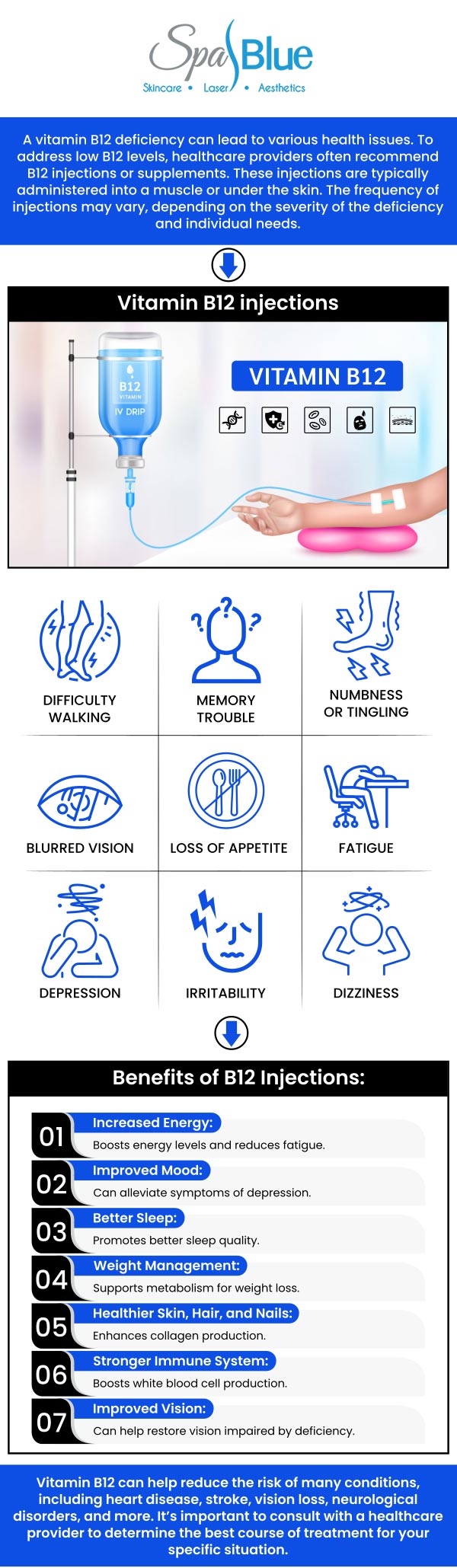
IV therapy bypasses your digestive system to give you higher doses of more absorbable nutrients to support your maximal health and healing from complex or acute health conditions
This approach is especially important at early stages, when changes are still reversible or, at least, manageable