Vol. XVIII · Free shipping $75+ · Read the collection
Feature · Product Review
glutathione and aspergillus

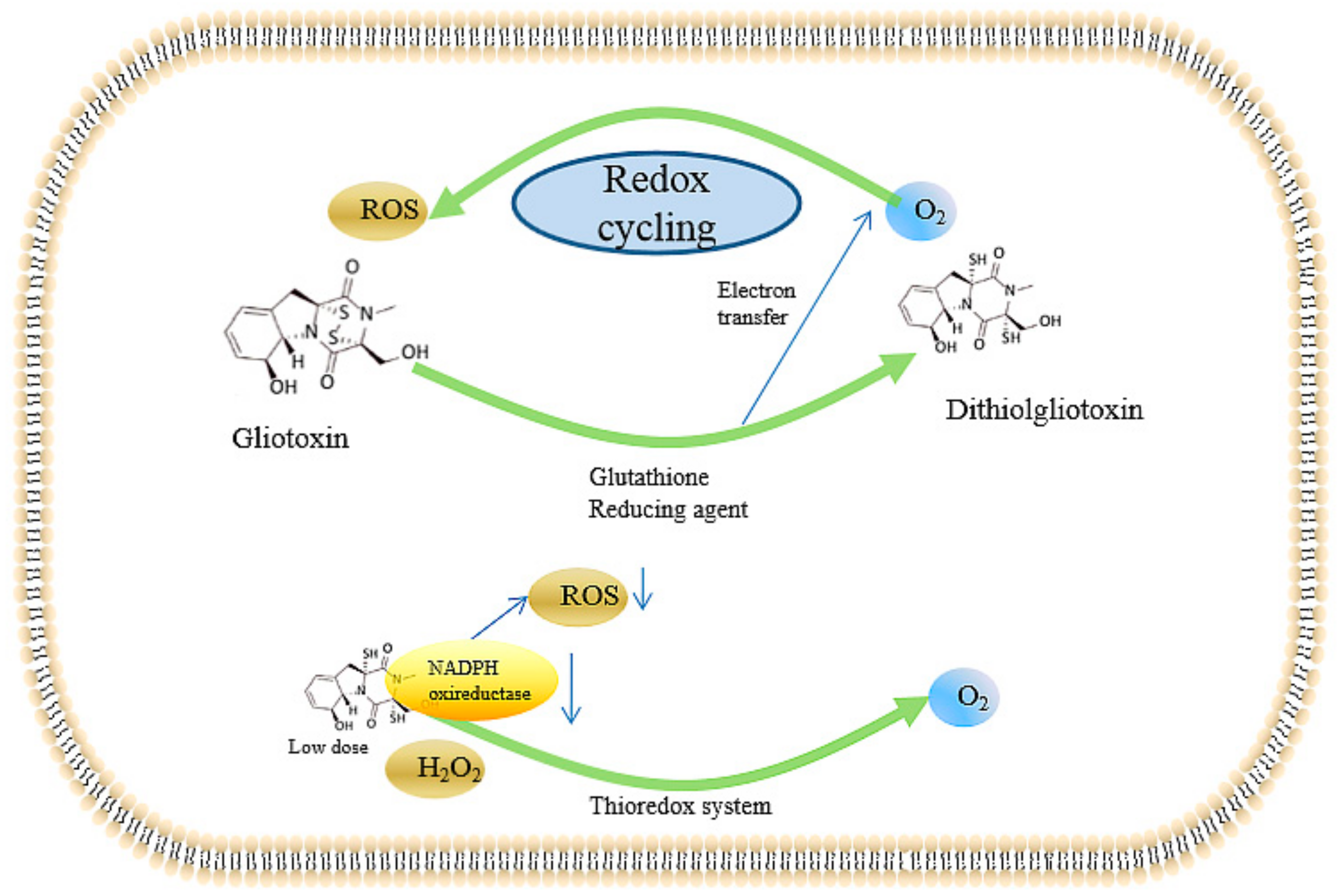
glutathione and aspergillus L-Cysteine hydrochloride inhibits flavus growth AFB1 synthesis by disrupting cell structure and antioxidant system balance The Toxic Mechanism of Gliotoxins

The Toxic Mechanism of Gliotoxins and Biosynthetic Strategies for Toxicity Prevention Aspergillus fumigatus mitogen activated protein kinase MpkA is involved in gliotoxin production and self protection Nature Communications Glycerol metabolism in Aspergillus nidulans. The two possible pathways Download Scientific Diagram PDF) The Glutathione System of Aspergillus nidulans Involves a Fungus specific Glutathione S Transferase Aspergillus derived mycotoxins in food and the environment: Prevalence, detection, and toxicity ScienceDirect

SKU: 34491037640 · From lagence-mr.com

4.5
USD25.62 USD72.62

Pay in 4 interest-free payments of $6.41 Learn more

Shipping Estimate
USA
  • USA
  • CAN

Ships within 48 hours · Estimated delivery Sep 14 - Sep 19

Description

For years, researchers suspected it existed naturally in the human body, and in 2017, Epitalon was detected for the first time in physiological pineal gland extract, confirming it as an endogenous compound

glutathione and aspergillus L-Cysteine hydrochloride inhibits flavus growth AFB1 synthesis by disrupting cell structure and antioxidant system balance The Toxic Mechanism of Gliotoxins

Eat high-quality animal protein by choosing grass-fed beef, naturally-raised chicken, and sustainably caught or farmed, low-mercury fish

glutathione and aspergillus L-Cysteine hydrochloride inhibits flavus growth AFB1 synthesis by disrupting cell structure and antioxidant system balance The Toxic Mechanism of Gliotoxins

10.3390/jcm11061507 32 GuoT.ChenM.LiuJ.WeiZ.YuanJ.WuW.et al (2023)

glutathione and aspergillus L-Cysteine hydrochloride inhibits flavus growth AFB1 synthesis by disrupting cell structure and antioxidant system balance The Toxic Mechanism of Gliotoxins

Limitations hindering field-scale application of RNAi-based pest control One of the biggest challenges in using RNA as a natural pesticide is its stability, particularly in sprayable dsRNA and siRNA usage

glutathione and aspergillus L-Cysteine hydrochloride inhibits flavus growth AFB1 synthesis by disrupting cell structure and antioxidant system balance The Toxic Mechanism of Gliotoxins

choline - alone or in combination with other methyl donors (B12, folate) ameliorates neurological impairment, and is an important constituent of phosphatidylcholine which is a major component of all membranes

glutathione and aspergillus L-Cysteine hydrochloride inhibits flavus growth AFB1 synthesis by disrupting cell structure and antioxidant system balance The Toxic Mechanism of Gliotoxins
Exchange/Return Notes
  • We offer a 30-day return/exchange service after receiving.
  • Final sale items are not eligible for returns or exchanges.
  • To process your return/exchange, please contact us at [email protected]
  • Please click here for more details>>> Return & Exchange Policy

You may also like

recommand products