Individual health history, current medications, and aesthetic goals all inform the best approach
Important clinical note: GHK-Cu is not FDA-approved to treat, cure, or prevent any specific disease
TB4 is typically synthesized chemically or isolated from animal tissues, such as the thymus gland, in research settings
How to calculate units per dose for any vial The formula has three steps: Step 1 calculate concentration after reconstitution: concentration (mg/mL) = vial mg bac water mL Step 2 convert target dose to mL: dose mL = target dose mg concentration mg/mL Step 3 convert mL to U-100 syringe units: units = dose mL 100 Or combined into one line: units = (target dose mg vial mg) (bac water mL 100) Worked example 5 mg BPC-157 + 2 mL bac water, 250 mcg dose: Concentration: 5 2 = 2.5 mg/mL Dose mL: 0.25 2.5 = 0.1 mL Units: 0.1 100 = 10 units Worked example 10 mg tirzepatide + 2 mL bac water, 2.5 mg dose: Concentration: 10 2 = 5 mg/mL Dose mL: 2.5 5 = 0.5 mL Units: 0.5 100 = 50 units (half a 1 mL syringe) Worked example 50 mg GHK-Cu + 5 mL bac water, 2 mg dose: Concentration: 50 5 = 10 mg/mL Dose mL: 2 10 = 0.2 mL Units: 0.2 100 = 20 units Mistake 1 choosing bac water volume by feel instead of by target unit count

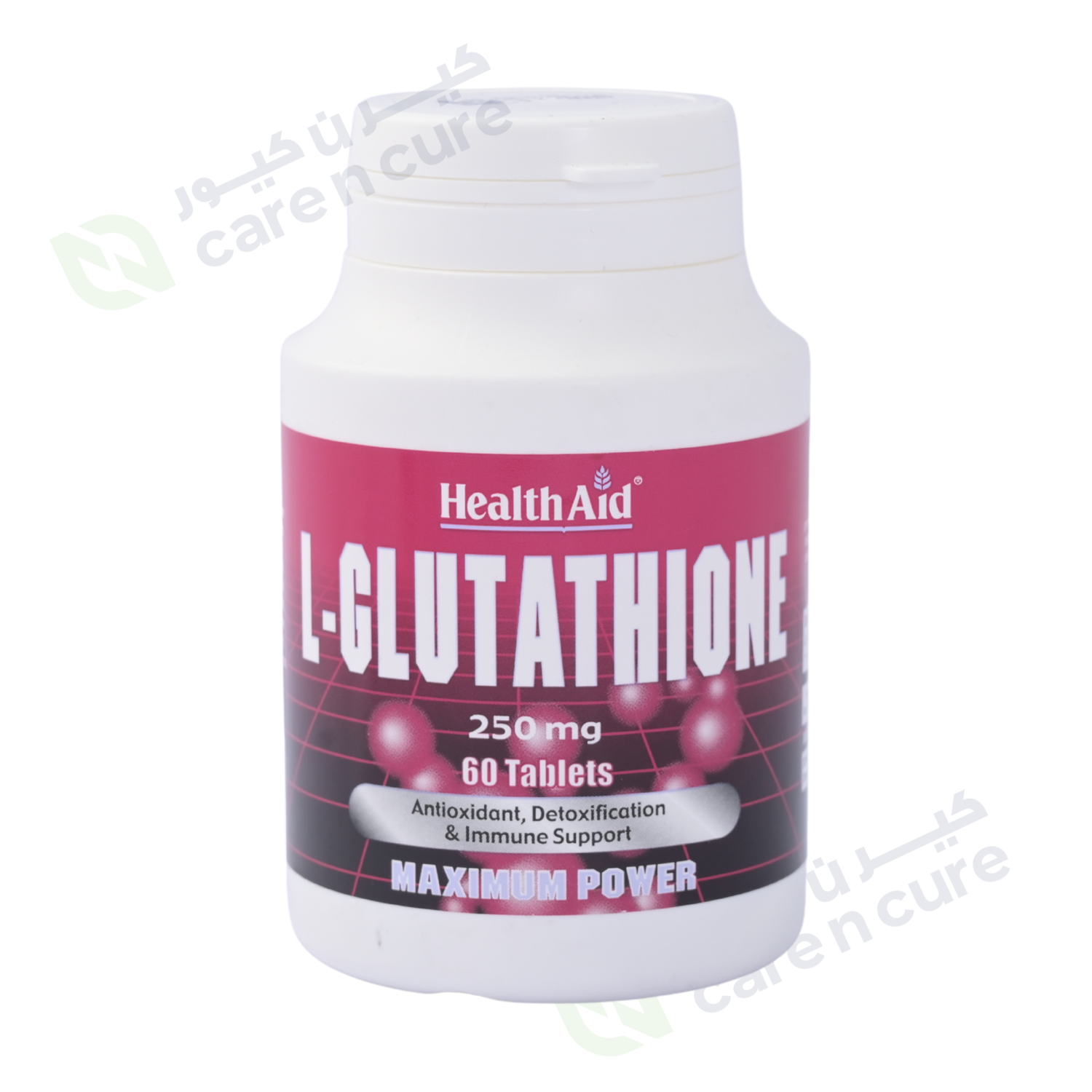
Areas Without Adequate General Evidence Long-term high-exposure safety Routine intravenous wellness use Intravenous cosmetic skin lightening Use during pregnancy or breastfeeding Paediatric wellness use Interaction with chemotherapy or radiotherapy Interaction with complex medicine combinations Long-term inhaled use in asthma Unsupervised use in liver or kidney disease Equivalence between supplement and injectable products FDA Alert Concerning Compounded Glutathione Injections The incident illustrates the difference between dietary ingredients and sterile-drug ingredients