This can potentially reduce the risk of re-injury and help individuals return to their regular activities more quickly
While short-term anti-inflammatory effects can be helpful, long-term immune regulation --- especially in patients with autoimmune conditions --- needs careful monitoring
TB-500 (Thymosin Beta-4 Fragment) Cellular-Migration & Tissue-Maintenance Research TB-500 is commonly researched for its interaction with: Cellular-migration and tissue-repair signaling Soft-tissue and connective-tissue pathways Recovery-focused regenerative mechanisms Mobility- and flexibility-related pathways Physiological-resilience and tissue-maintenance research Research involving TB-500 commonly investigates its potential interaction with connective-tissue pathways, tissue-remodeling pathways, angiogenesis-related signaling, and recovery-focused physiological mechanisms
A 2023 review in Frontiers in Physiology noted that mitochondrial-derived peptides like MOTS-c represent a functionally separate class from growth-hormone-axis compounds such as Tesamorelin underscoring why comparison, rather than substitution, is the right framework for evaluating them
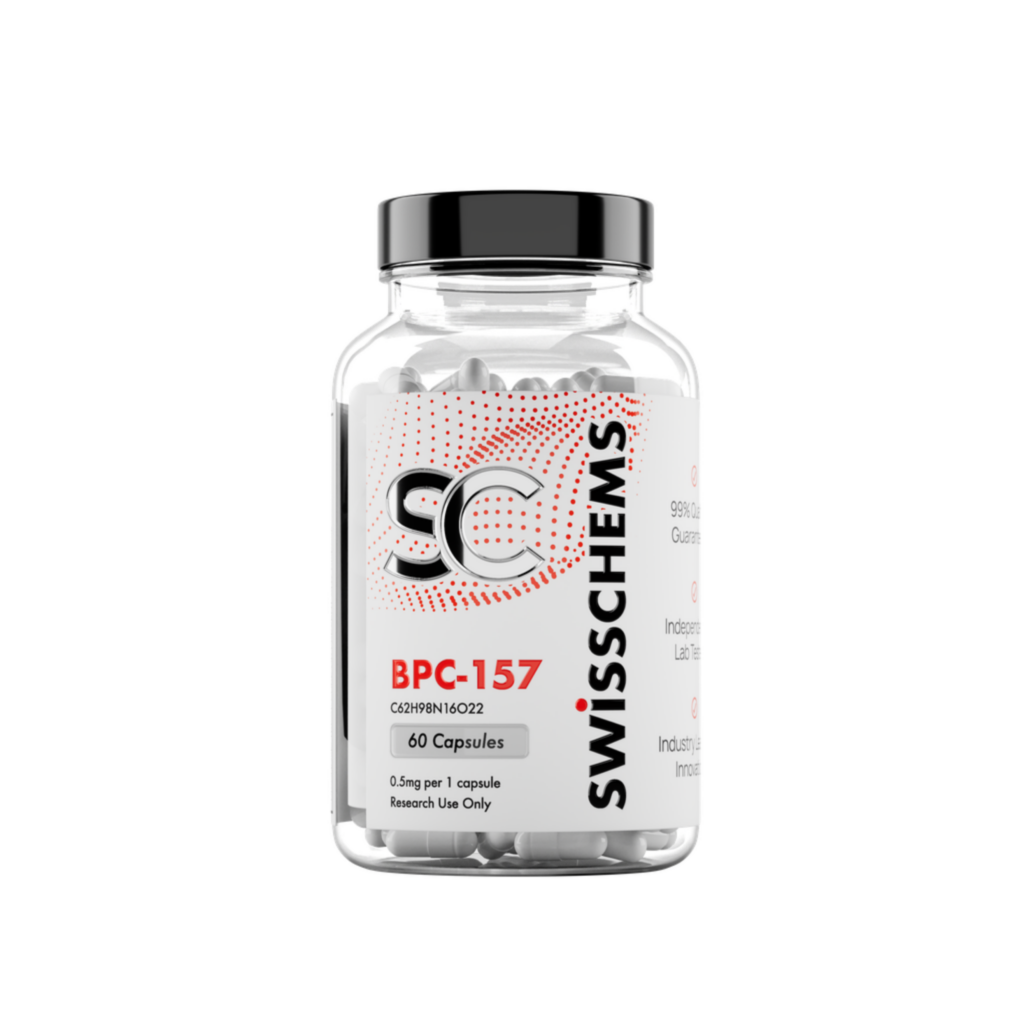
Anti-Inflammatory Effects While not a primary anti-inflammatory agent like NSAIDs, BPC-157 demonstrates anti-inflammatory properties through modulation of prostaglandin pathways and cytokine production