KPVs unique mechanisms: Blocks NF-B pathway a master inflammatory switch Reduces inflammatory cytokines without immune suppression Promotes wound healing and tissue repair Modulates mast cell activation in allergic responses KPV is particularly valuable for: Inflammatory bowel conditions Skin conditions like eczema and psoriasis Allergic responses and sensitivities Chronic inflammatory pain The Real-World Results: What Im Seeing in Practice When patients combine these immune-modulating peptides with comprehensive lifestyle optimization, the results are often dramatic: Within 2-4 weeks: Reduced brain fog and fatigue Less joint pain and stiffness Fewer inflammatory flares Better stress tolerance By 8-12 weeks: Significant improvement in autoimmune markers Increased resistance to infections Better gut health and digestion Improved energy and sleep quality After 3-6 months: Sustained remission of autoimmune symptoms Normal inflammatory markers Restored immune balance Return to normal activity levels These improvements are measurable through laboratory testing we track inflammatory markers, immune cell function, and autoimmune antibodies to document progress

Can the MOTS-c 5-amino-1MQ stack protocol be used alongside other metabolic peptides
Open question Whether the same mechanisms are clinically meaningful in humans is not yet established
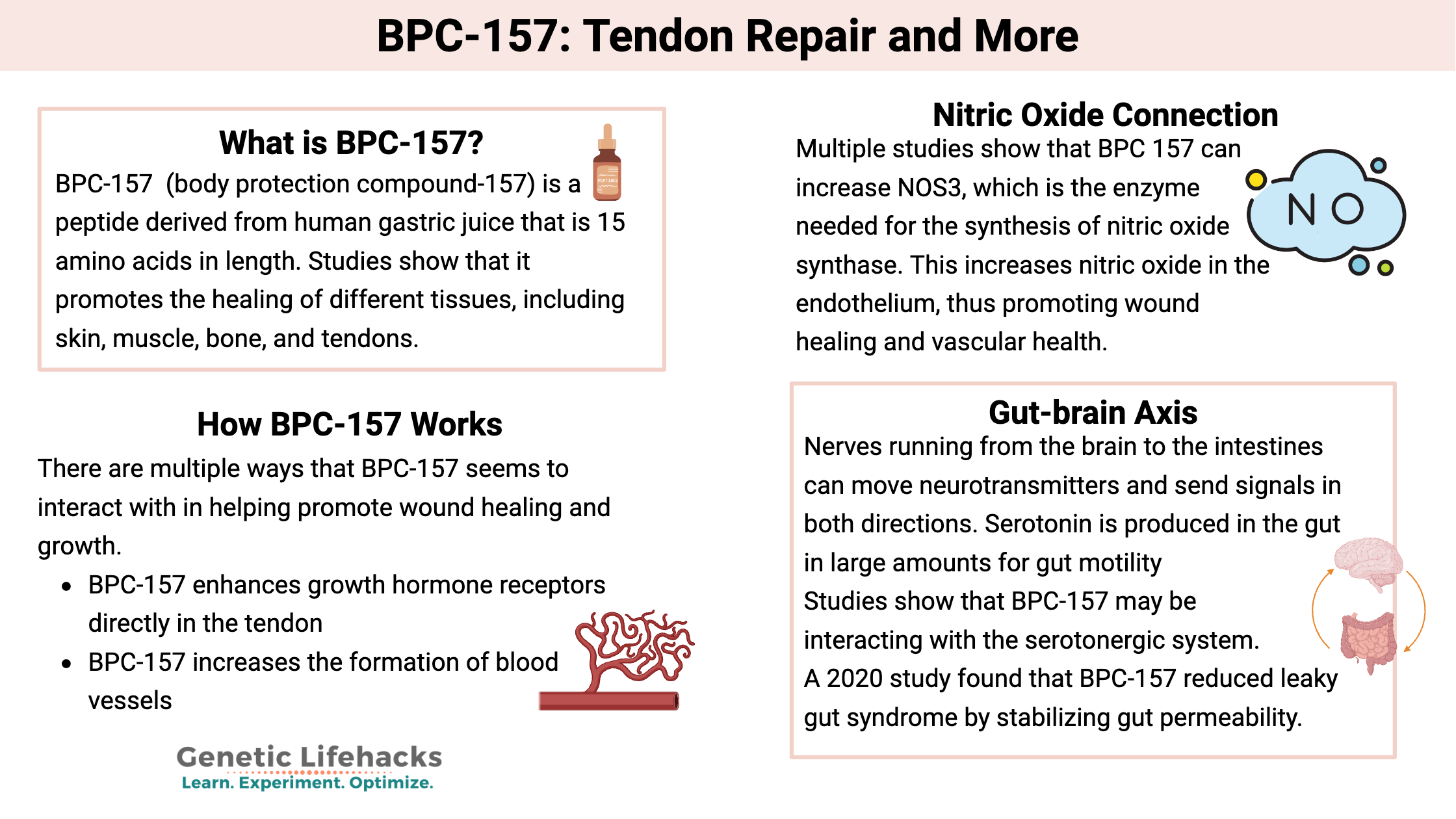
BPC-157: Sequence: Gly-Glu-Pro-Pro-Pro-Gly-Lys-Pro-Ala-Asp-Asp-Ala-Gly-Leu-Val | Molecular Formula: CHNO | MW: 1,419.5 g/mol | CAS: 137525-51-0 TB-500 (T4 fragment): Sequence: Ac-Ser-Asp-Lys-Pro-Asp-Met-Ala-Glu-Ile-Glu-Lys-Phe-Asp-Lys-Ser-Lys-Leu-Lys-Lys-Thr-Glu-Thr-Gln-Glu-Lys-Asn-Pro-Leu-Pro-Ser-Lys-Glu-Thr-Ile-Glu-Gln-Glu-Lys-Gln-Ala-Gly-Glu-Ser | MW: ~4,963 g/mol | CAS: 77591-33-4
Head-to-head comparison table Choosing between these peptides requires understanding how they compare across the factors that matter most: effectiveness, speed of results, side effects, and suitability for the specific metabolic challenges of menopause