Biochem Pharmacol 58(3):389395 Lilla C et al (2005) Alcohol dehydrogenase 1B (ADH1B) genotype, alcohol consumption and breast cancer risk by age 50 years in a German case-control study
Furthermore, VPS39 was found to interact with ORF3a in two contemporaneous experimental SARS-CoV-2 virushost interactome studies 39,47 in addition to our results (Fig
The stigma around male grooming is fading, and skin whitening injections are becoming popular among men seeking skin pigmentation removal or simply an even skin tone
IGF-1, however, supports a leaner body composition by preserving muscle mass while also aiding in fat metabolism

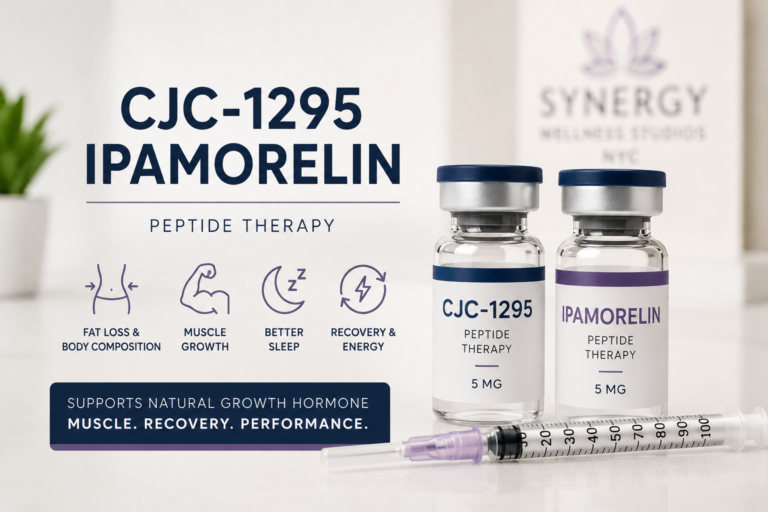
Ipamorelin (INN) (developmental code name NNC 26-0161) is a peptide selective agonist of the ghrelin/growth hormone secretagogue receptor (GHS) and a growth hormone secretagogue.[2][3] It is a pentapeptide with the amino acid sequence Aib-His-D-2-Nal-D-Phe-Lys-NH2 that was derived from GHRP-1.[4] Ipamorelin significantly increases plasma growth hormone (GH).[1][3][5] In addition, ipamorelin stimulates body weight gain in animals.[5] Like pralmorelin and GHRP-6, ipamorelin does not affect prolactin, follicle-stimulating hormone (FSH), luteinizing hormone (LH), or thyroid-stimulating hormone (TSH) levels.[3] However, unlike pralmorelin (GHRP-2) and GHRP-6, but similarly to growth hormone-releasing hormone (GHRH), ipamorelin does not stimulate the secretion of adrenocorticotropic hormone (ACTH) or cortisol, and is highly selective for inducing the secretion only of GH.[3] Ipamorelin Peptide is under active investigation in a number of cell culture and animal models