Researched effects In a diet-induced-obese mouse study (Neelakantan et al., Biochemical Pharmacology, 2018), subcutaneous 5-Amino-1MQ (20 mg/kg, three times daily, roughly 11 days) produced about 5.1% body-weight loss versus continued weight gain in untreated controls, roughly 35% less epididymal white fat mass, smaller adipocytes, lower plasma cholesterol, and improved glucose tolerance, with no reported change in food intake and no observed adverse effects in the mice
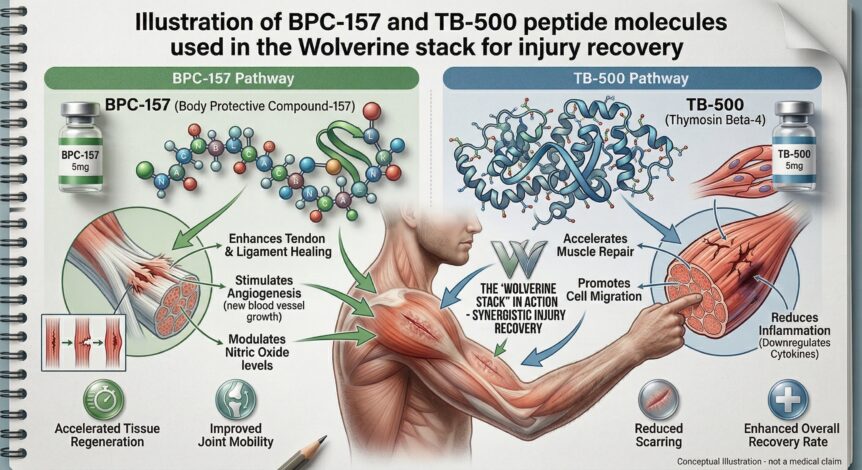
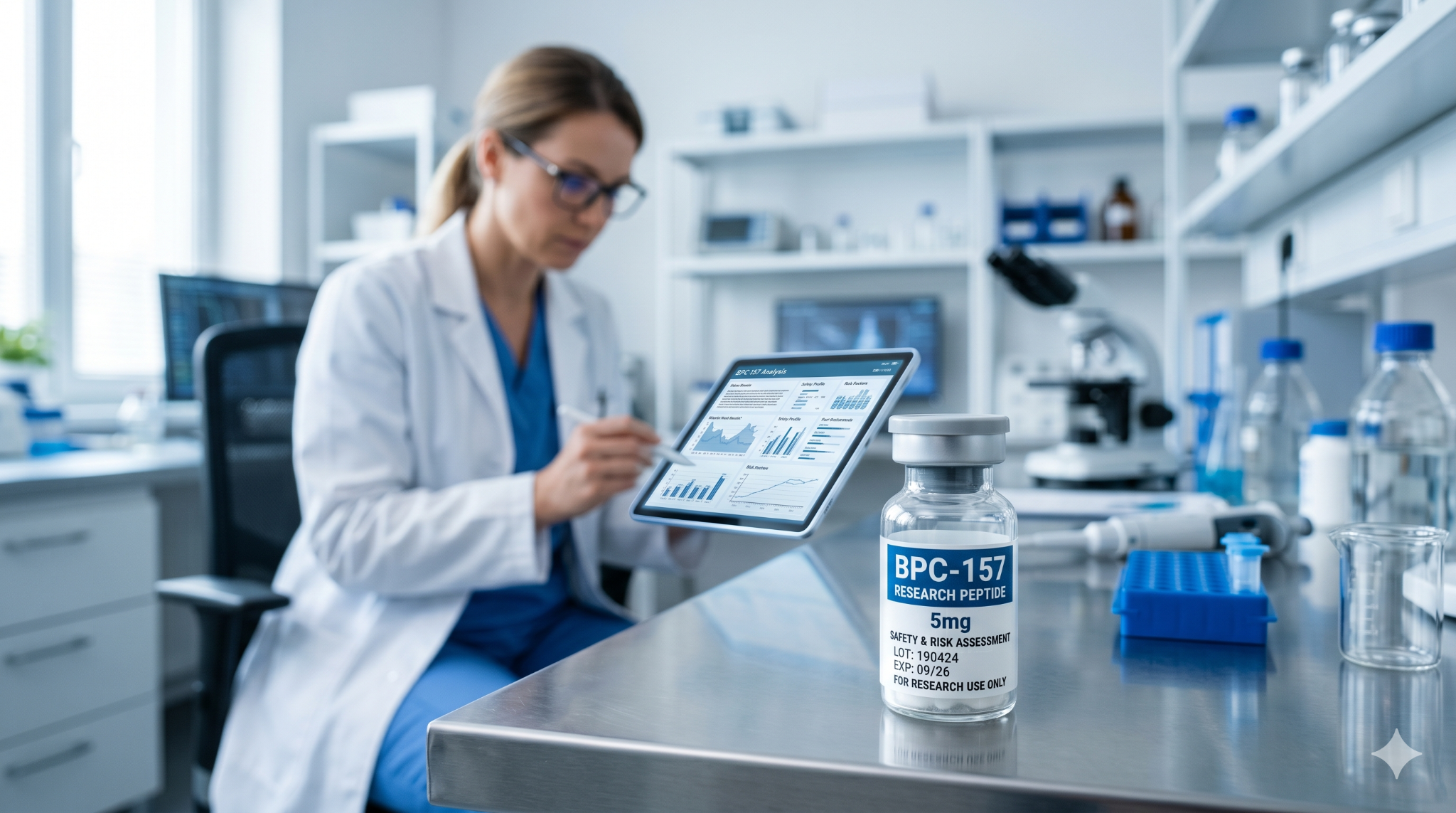
BPC-157 5mg Strength: 5 mg CAS: 137525-51-0 Chemical Formula: CHNO Molecular weight: 1419.5 g/mol Peptide Sequence: Gly-Glu-Pro-Pro-Pro-Gly-Lys-Pro-Ala-Asp-Asp-Ala-Gly-Leu-Val Synonyms: BPC157, Bepecin Storage: Store 28 C (20 C long-term)
Increasing your intake of vitamin-B-rich foods and/or supplementing with these B vitamins has the potential to improve nerve function and repair, leading to pain relief, reduced inflammation, and nerve tissue regeneration
BPC-157 10mg (UK) - Research Use Only | 12 Vials How the calculation works (concentration draw volume) A peptide calculator for BPC 157 is usually just two steps: work out the concentration, then work out the volume that contains your target amount
Medications are the cornerstone of lupus therapy: NSAIDs alleviate pain and inflammation Antimalarial drugs like hydroxychloroquine control lupus disease and flares Corticosteroids eliminate inflammation quickly but should be used cautiously due to side effects if required long-term Immunosuppressants quiet an overactive immune system, usually in serious lupus or if the organs become involved Biologics are more recently developed medications that inhibit specific components of the immune system Treatment is backed by adaptation to life