Real-World Examples Example 1 MCV 108, B12 low, provider states B12 anemia D51.9 Example 2 MCV 105, folate low, alcohol history D52.x Example 3 MCV 102, cirrhosis, anemia noted K74.x + D63.8 Example 4 MCV high, workup pending D53.9 (temporary) Why This Matters for Revenue Specific anemia codes: Reduce denials Reduce documentation queries Improve payer trust Protect audits Increase clean claim rates Vague anemia coding does the opposite
The first is the isoelectric point, abbreviated pI, which is the pH at which a peptide carries no net electrical charge
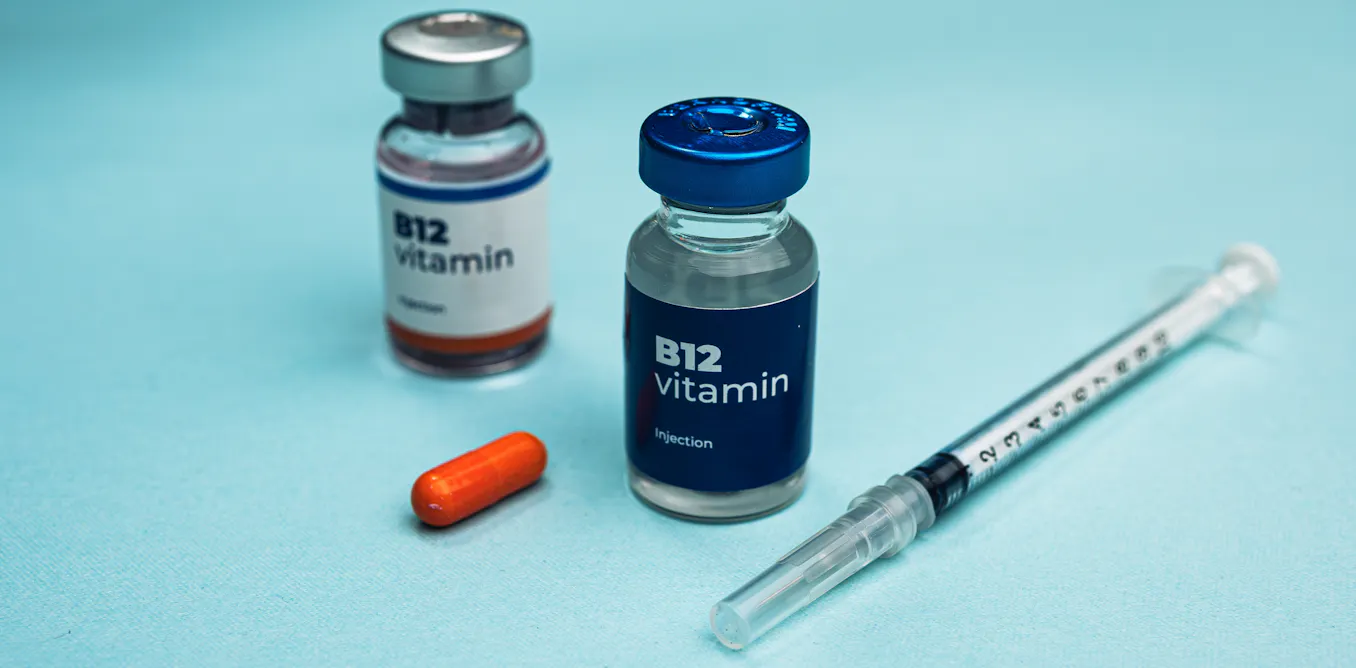
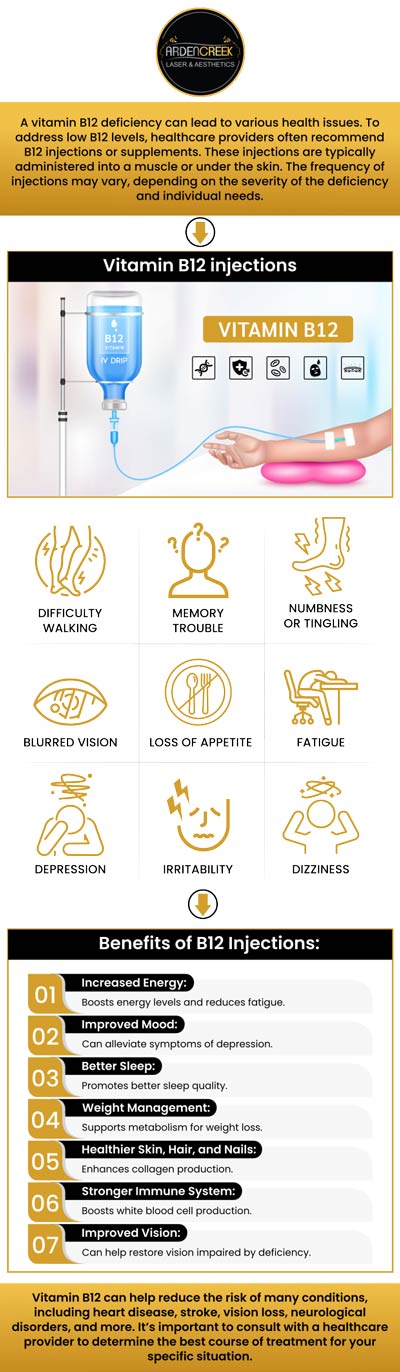
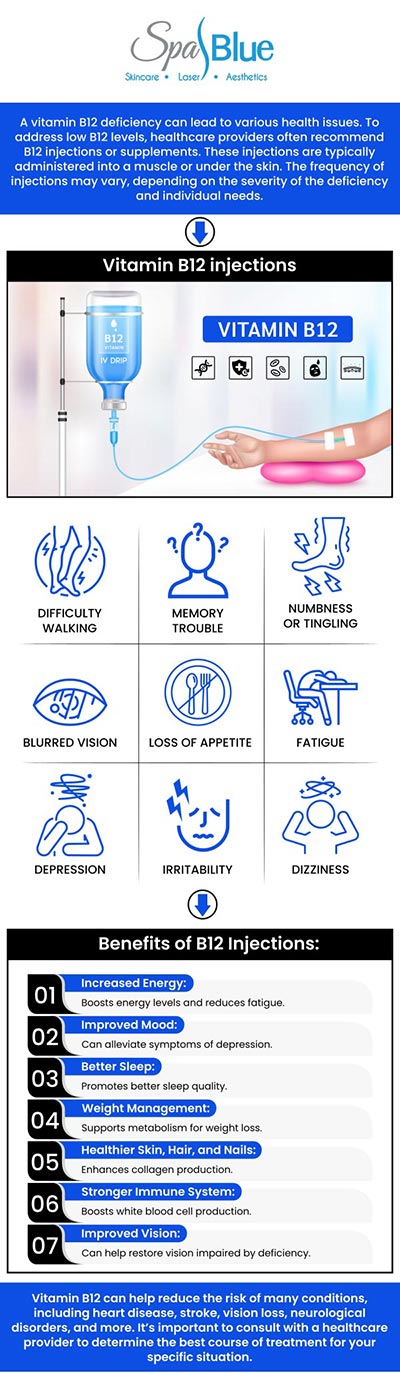
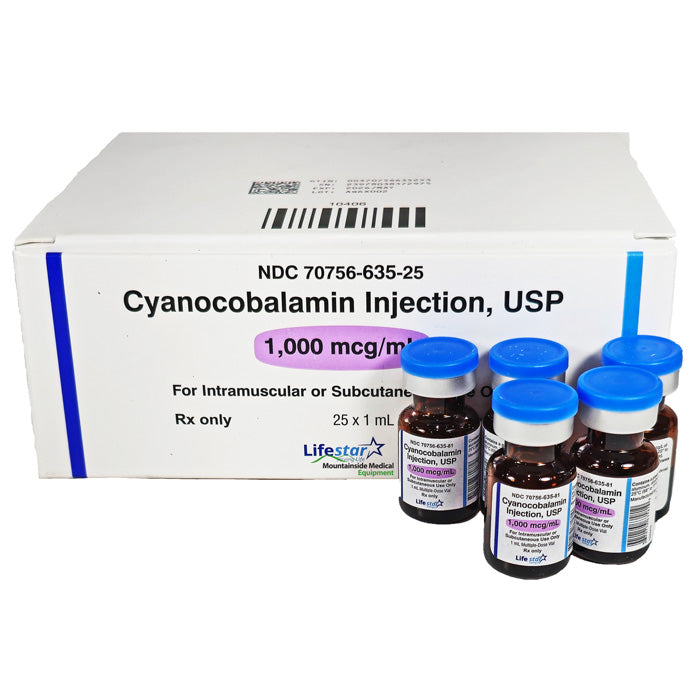
This is since shots allow the body to absorb vitamin B12 without going through the digestive system
European Public Assessment Report (EPAR): Scientific Discussion (Cyanokit)
Key Takeaways Standard research dosing for 5-amino-1-MQ typically ranges from 50-100mg daily, with some protocols extending to 200mg based on body weight and research objectives Administration routes include oral capsules, sublingual tablets, and injectable forms, each with different bioavailability profiles Timing protocols generally recommend split dosing (morning and evening) or single morning administration for optimal metabolic enzyme inhibition Cycle length in research settings commonly spans 8-12 weeks with appropriate monitoring and evaluation periods Individual factors such as body composition, metabolic rate, and research goals significantly influence optimal dosing strategies Understanding 5-Amino-1-MQ and Its Mechanism Before diving into dosing protocols, understanding how 5-amino-1-MQ functions provides essential context for determining appropriate administration strategies