Research Applications Skin rejuvenation and anti-aging dermatology research Wound healing and tissue repair studies (acute and chronic wounds) Collagen and extracellular matrix synthesis research Cosmetic applications and skincare product development Hair growth stimulation and alopecia treatment research Scar reduction and prevention studies Gene expression modulation and cellular aging research Matrix metalloproteinase regulation research Angiogenesis and tissue vascularization studies Antioxidant and protective mechanisms research Nerve regeneration and neuroprotection studies Lung disease and fibrosis research Copper delivery and bioavailability research Tissue engineering and regenerative medicine applications Safety Profile GHK-Cu has an exceptional safety profile based on over 50 years of research use, extensive incorporation into hundreds of commercial cosmetic products used by millions of consumers, and clinical trial experience
Vitamin B-12 shots and injections can benefit us in many ways, including: Reducing Stress Boosting Energy Detoxifying Create healthy hair, nails and skin Increases metabolism (weight loss) Improves memory and cardiovascular system How To Know If You Need Vitamin B12 Shots KEEP AN EYE OUT As we age, the more B-12 vitamins our body needs in order to function
Illness and conditions linked to B12 deficiency: Neuropsychiatric disorders - The earliest symptoms of B12 deficiency include: Irritability Mood swings Confusion Forgetfulness Fogginess Psychosis Hallucinations or delusion Depression Anxiety/Panic attacks Tension headaches Onset of dementia Neurological disorders Bells Palsy Chronic Fatigue Syndrome (CFS) Myalgic Encephalomyelitis (ME) Autoimmune Disorders - Autoimmune disorders take many forms
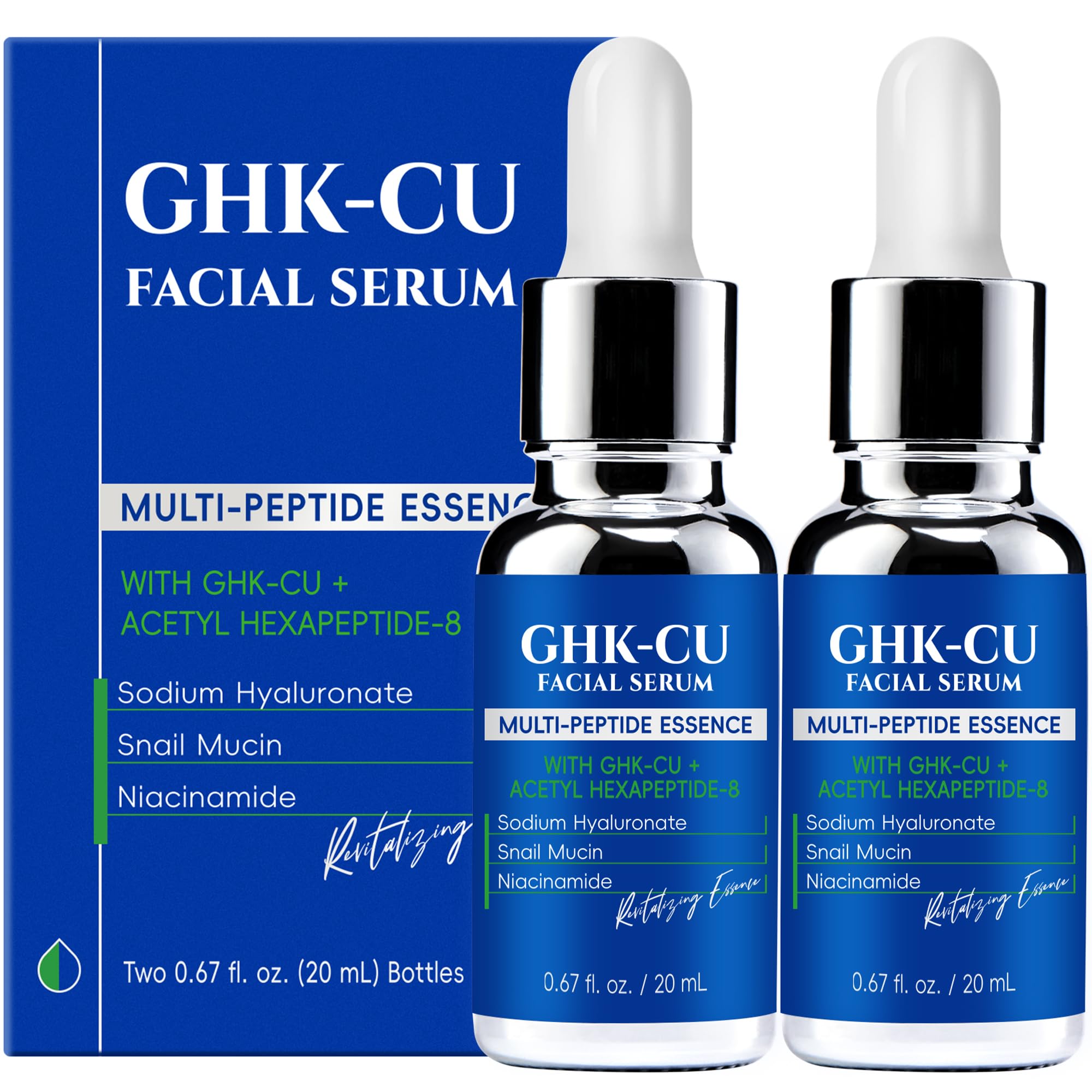
VivePeptides GHK-Cu for sale is manufactured to 99% purity, ensuring batch-to-batch consistency for laboratory investigations
In this study, the cB 12 quotient helped to establish that MMA is the most sensitive marker of vitamin B 12 in cancer patients, and that total serum B 12 has very little diagnostic value (Vashi et al., 2016)