Analytical Verification Every batch undergoes Mile High Compounds comprehensive analytical protocol: High-Performance Liquid Chromatography (HPLC) for purity quantification Mass Spectrometry (MS) for molecular weight and identity confirmation 14-day sterility testing Endotoxin analysis 4-vial batch conformity verification statistically robust consistency testing across each production batch, exceeding the industry-standard single-vial sampling approach Heavy metal screening for lead, arsenic, cadmium, mercury, and additional trace metals Container and seal integrity verification Batch-specific Certificates of Analysis (COAs) accompany every order, documenting full testing results across all verification protocols
However, with so much to experience in this extraordinary city, make sure to support your energy and hydration levels with a trip to REVIV Nairobi
There are five outcomes peptides will not deliver no matter which peptide is chosen, what the dose is, or how long the cycle runs
[00365] Examples of genes for which a translatable molecule can be used to express the corresponding peptide or protein include: Xenobiotic Metabolism Signaling, PRKCE
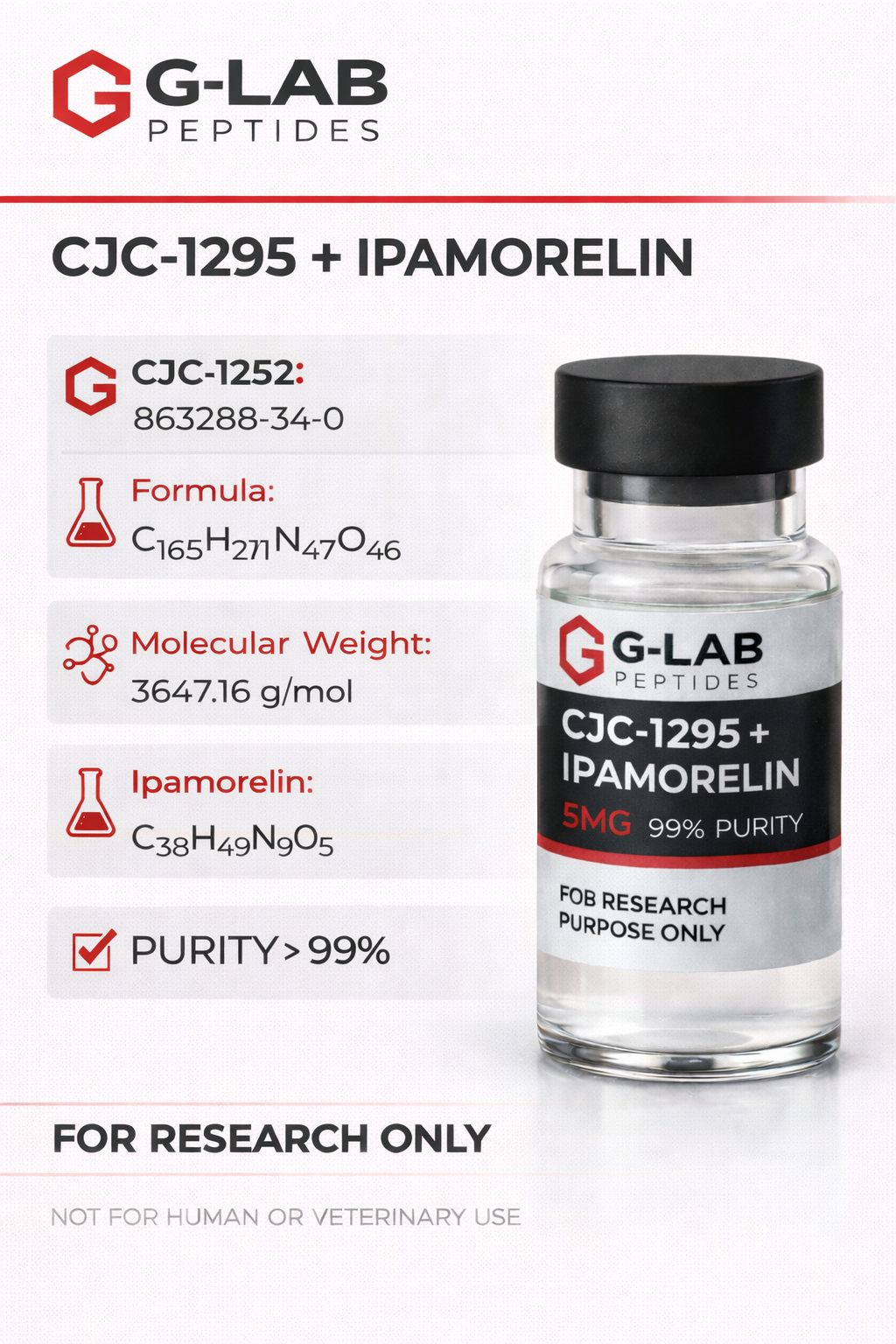
How to read a COA: A valid certificate of analysis for a research peptide should include: identity confirmation by mass spectrometry (the molecular weight should match the theoretical value for the peptide sequence), purity by HPLC (look for greater than 98% purity for injectable research use), a batch or lot number, and a testing date