Vol. XVIII · Free shipping $75+ · Read the collection
Feature · Product Review
glutathione for catalyzing disulfide formation

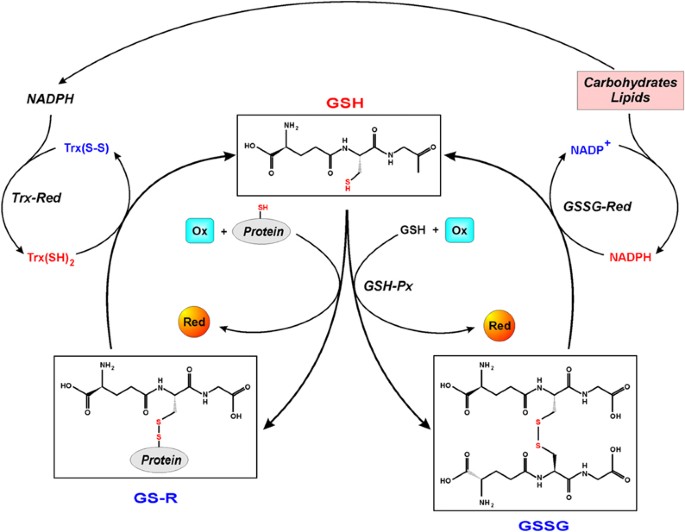
glutathione for catalyzing disulfide formation Redox Regulation by Protein S-Glutathionylation: From Molecular Mechanisms to Implications in Health and Disease Disulfide relays and phosphorylative cascades:

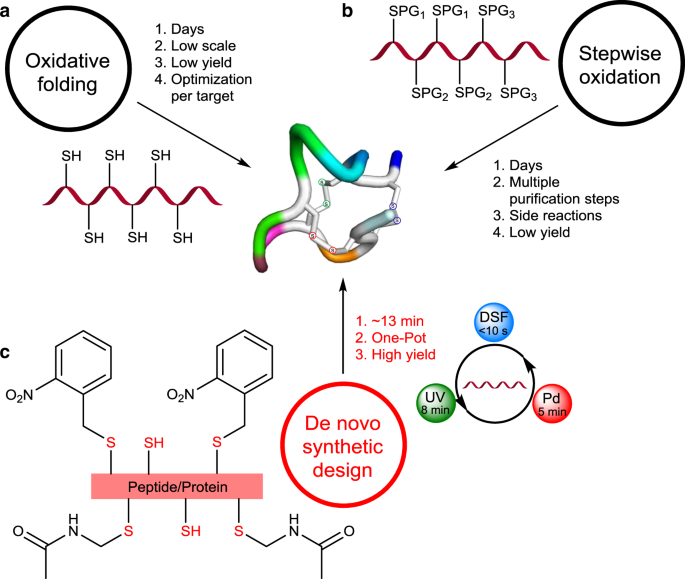
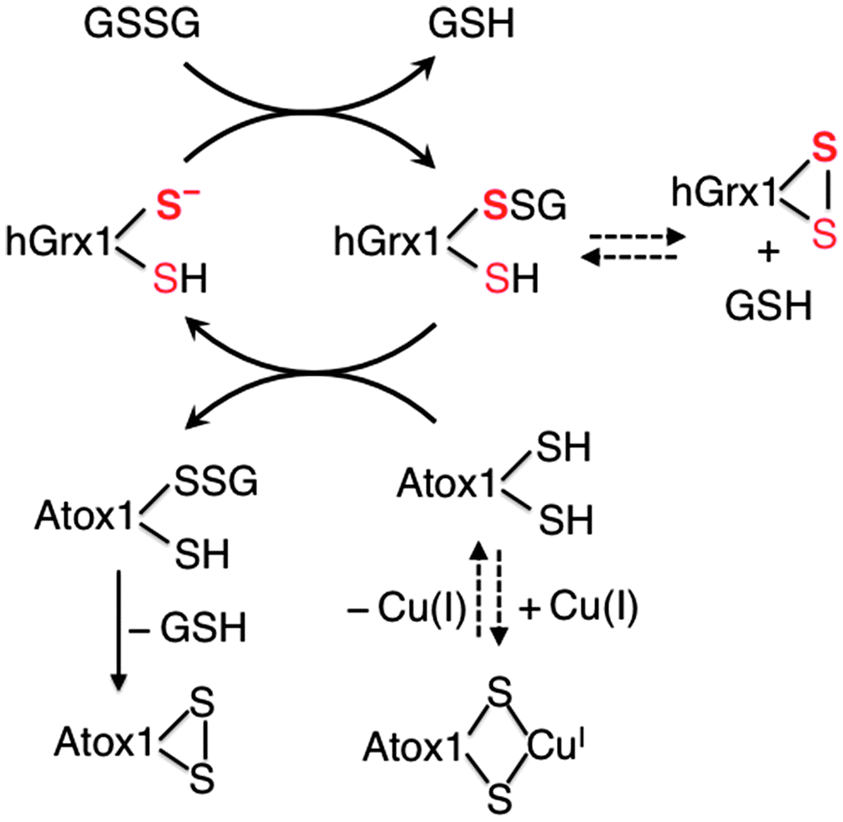
Disulfide relays and phosphorylative cascades: partners in redox mediated signaling pathways Cell Death & Differentiation Rapid and Versatile Synthesis of Glutathione Responsive Polycarbonates from Activated Cyclic Carbonates Macromolecules File:Oxidation of Glutathione to Glutathione disulfide.png Wikimedia Commons General synthetic strategy for regioselective ultrafast formation of disulfide bonds in peptides and proteins Nature Communications Redox sulfur chemistry of the copper chaperone Atox1 is regulated by the enzyme glutaredoxin 1, the reduction potential of the glutathione couple GSSG Metallomics (RSC Publishing) DOI:10.1039 C4MT00020J

SKU: 91470585159 · From lagence-mr.com

4.5
USD26.77 USD52.77

Pay in 4 interest-free payments of $6.69 Learn more

Shipping Estimate
USA
  • USA
  • CAN

Ships within 48 hours · Estimated delivery Sep 23 - Sep 28
Description

Abeta also binds to zinc, but at a lower affinity, and it does not bind at all to manganese or iron (Mayes et al., 2014)

glutathione for catalyzing disulfide formation Redox Regulation by Protein S-Glutathionylation: From Molecular Mechanisms to Implications in Health and Disease Disulfide relays and phosphorylative cascades:

TNF and IL-1 suppress the clock genes that regulate circadian rhythm and hence could influence a veritable myriad of biological functions

glutathione for catalyzing disulfide formation Redox Regulation by Protein S-Glutathionylation: From Molecular Mechanisms to Implications in Health and Disease Disulfide relays and phosphorylative cascades:

Cell 150 , 11961208 (2012)

glutathione for catalyzing disulfide formation Redox Regulation by Protein S-Glutathionylation: From Molecular Mechanisms to Implications in Health and Disease Disulfide relays and phosphorylative cascades:

S2CID 6396416

glutathione for catalyzing disulfide formation Redox Regulation by Protein S-Glutathionylation: From Molecular Mechanisms to Implications in Health and Disease Disulfide relays and phosphorylative cascades:

MMPs are a group of enzymes that play an essential role in tumor invasion

glutathione for catalyzing disulfide formation Redox Regulation by Protein S-Glutathionylation: From Molecular Mechanisms to Implications in Health and Disease Disulfide relays and phosphorylative cascades:
Exchange/Return Notes
  • We offer a 30-day return/exchange service after receiving.
  • Final sale items are not eligible for returns or exchanges.
  • To process your return/exchange, please contact us at [email protected]
  • Please click here for more details>>> Return & Exchange Policy

You may also like

recommand products