Physiological functions of ROS ROS encompass both free-radical or non-radical derivative (peroxides) oxygen intermediates generated by plasma membrane proteins 26 (Fig
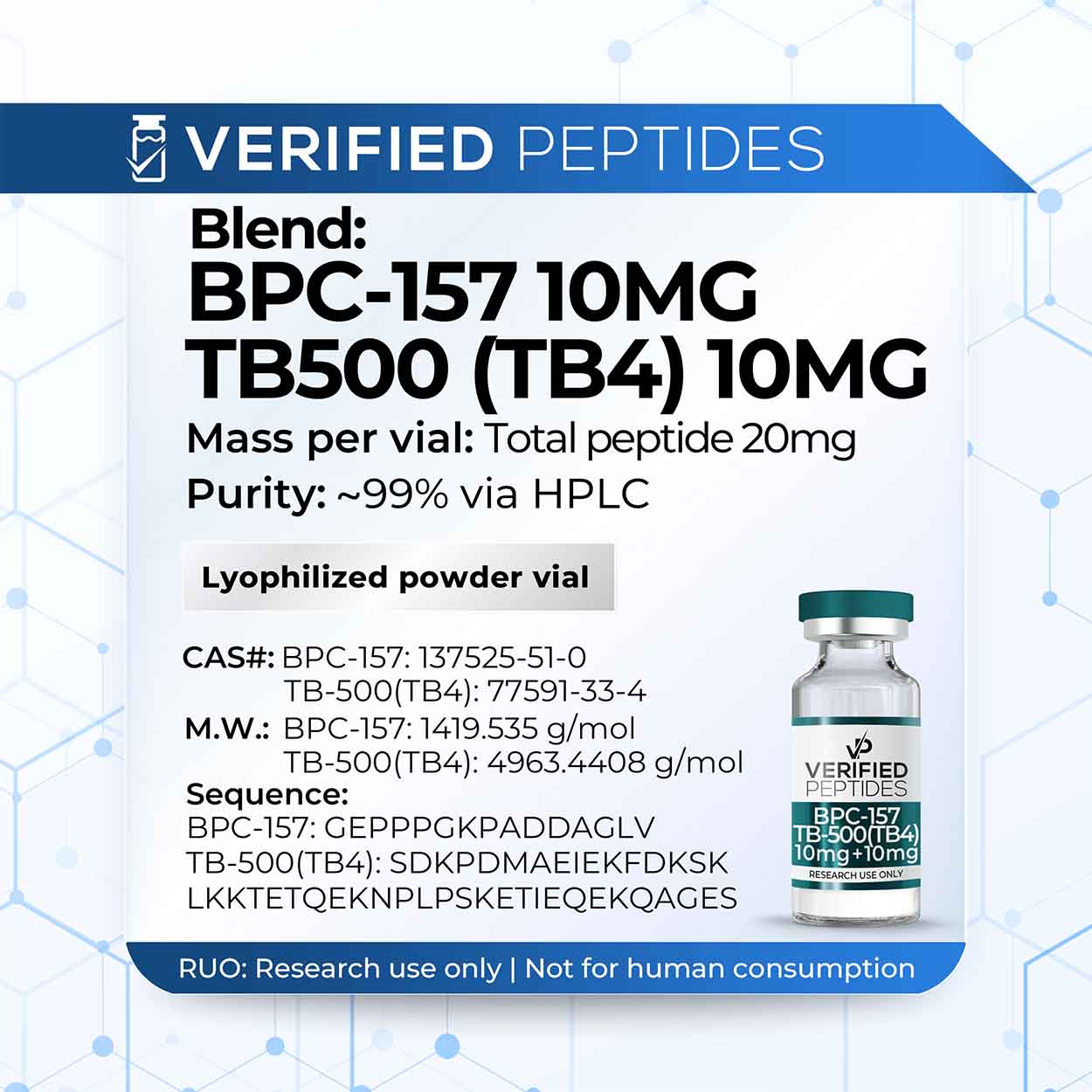
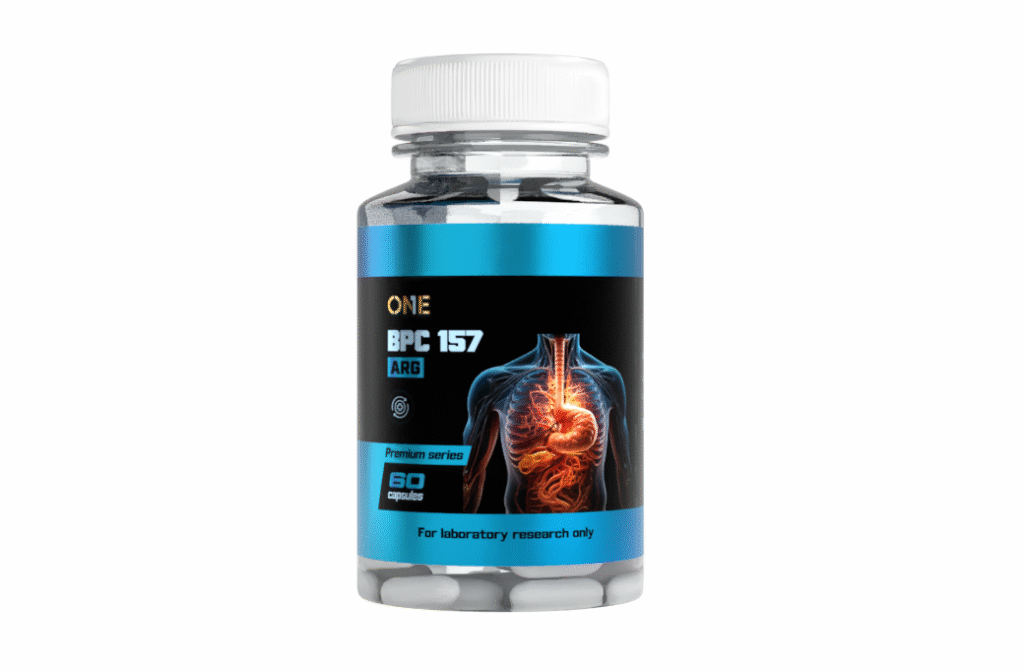
BPC 157 (Body Protection Compound 157) Derived from natural protein found in the stomach Supports healing of muscles, tendons, ligaments, and digestive tract Helps reduce inflammation and speed recovery from injuries TB 500 (Thymosin-Beta-4 Fragment) Synthetic version of a peptide found in nearly all human cells Promotes blood vessel growth, cell migration, and tissue repair Aids in healing soft tissues and reducing inflammation Boost fat loss & metabolism Increase lean muscle & strength Improve sleep & recovery Enhance energy & focus Support healthier skin, hair, & nails Promote healing & reduce inflammation Support mood & cognitive function Schedule Your Complimentary Consultation Today to Learn More About Our Chemical Peels!
Lab work can be an important part of the evaluation, diagnosis and treatment of neuropathy pain
Tyrrell, A., Reilly, T., & Troup, J
The physicochemical stability of BPC-157 across various biological environments may contribute to its apparent safety profile, as the peptide appears to be well-tolerated when administered via different routes including oral, subcutaneous, and intramuscular administration